Spotlight
Spotlight: Suki Montgomery Hall PhD
posted at 2025-12-12 15:13:00
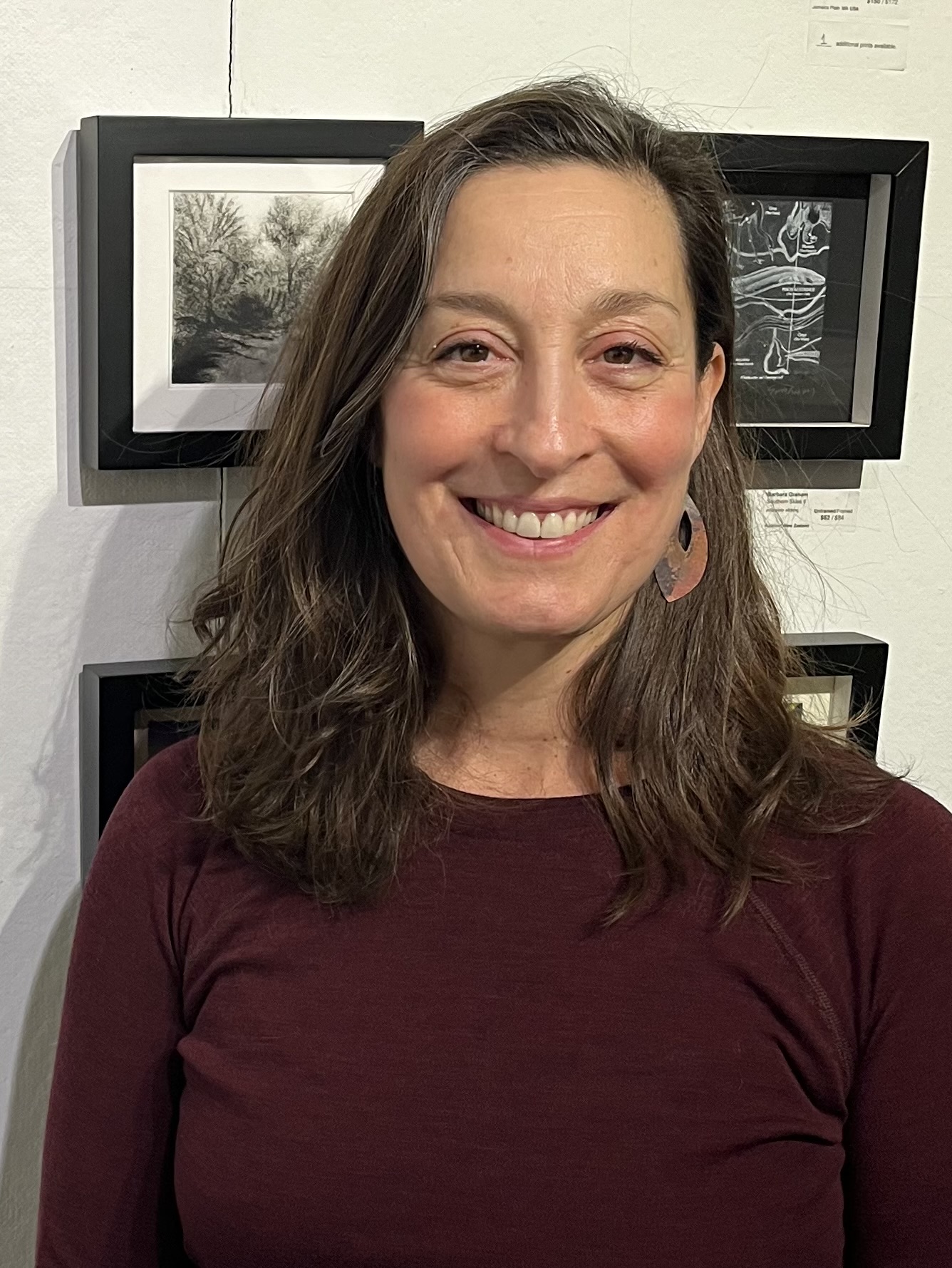
My name is Suki Montgomery Hall, and I have been practicing in Ithaca as a Psychologist for 25 years. I moved to Ithaca after graduate school to work in the Counseling & Psychological Services at Ithaca College. I fell in love with the Ithaca area - full of natural beauty, great hiking, skiing, biking, and camping, as well as a community-oriented, progressive, quirky, walkable, small town. While still at IC, I became the Assistant Director and was most passionate about group therapy. We cultivated a successful group therapy program, giving students access to a powerful therapy experience that embodies a felt-sense of belonging to help them undo aloneness and gain insight about their interpersonal interactions.
My therapy modality, AEDP (Accelerated Experiential Dynamic Psychotherapy), has revolutionized my therapy work with clients. It gave me a language and structure for the relational work I was already exploring with clients. AEDP operationalizes attachment theory and weaves in interpersonal neurobiology with somatic moment-to-moment tracking within a supportive relationship to help clients process difficult emotions and experiences. To learn more, go to https://aedpinstitute.org/
In addition to my work at IC, I started a small private practice to work with adults beyond the college-aged population at IC. I am now in full-time private practice in downtown Ithaca, working with individuals as well as providing group therapy to the community. Group therapy is a powerful way to feel less alone, feel a sense of community with a small group of committed people (8-10 people), to receive feedback about interpersonal styles, and to learn about one's positive impact on others. I am hoping to offer more in-person groups in the coming year. Let me know if you are interested!
What advice would you give to someone considering therapy for the first time but feeling nervous or unsure?
It's completely natural to feel nervous about starting therapy—you are considering opening up to a stranger about vulnerable aspects of your life. My first piece of advice is to take the time to speak with several therapists through brief phone or Zoom consultations before making a decision. Most therapists offer these initial conversations, and they're invaluable for assessing fit. Trust your intuition about how you feel in those conversations. Do you feel heard? At ease? Respected? Most of us know intuitively what it feels like to be comfortable with another person.
Don't hesitate to ask questions about a therapist's style, modality, and approach to treatment. What does a typical session look like? These questions can help you determine whether their way of working aligns with what you're seeking. Finding the right fit may take a few tries—that's okay and completely normal. If after a session or two something doesn't feel quite right, don't be afraid to say so and explore other options. The therapeutic relationship is the foundation of good therapy work, so it's worth taking the time to find someone who feels right for you.
What is one thing you have learned from your clients that has impacted your own life?
I often feel in awe of my clients. Many come to therapy with such dedication to their own growth and self-reflection, demonstrating remarkable courage in their willingness to explore and process difficult emotions and experiences alongside me. Over my 25 years of practice, I've witnessed countless moments of profound transformation, resilience, and wisdom.
Having gone through difficult moments in my own life over the years, I've learned firsthand the transformative power of feeling truly accompanied and attended to by another person. This has deepened my understanding of our shared humanity—the universal need we all have to be seen, heard, and held in our struggles. My clients have impacted me more than they may ever know. Sometimes they offer nuggets of wisdom that stay with me long after our sessions end. Other times, we share a moment together that feels so profound it shifts something in both of us.
These experiences have taught me that healing doesn't happen in isolation—it happens in relationship. They've shown me that being vulnerable enough to let someone truly know us is one of the bravest things we can do. And they've reminded me, again and again, of the incredible resilience of the human spirit and our capacity for growth and change, even in the face of tremendous pain.
What does a successful therapeutic outcome look like to you?
I sometimes joke that the point of being a good therapist is to put ourselves out of a job. Success, to me, looks like clients internalizing the care, attention, and compassion we've cultivated together in our therapeutic relationship so that they can offer it to themselves long after therapy ends.
A successful outcome means clients have learned to love themselves more fully, with all their imperfections and complexities. It means they've developed the capacity to attend to themselves emotionally, physically, and spiritually—to notice when they're struggling and to respond with kindness rather than harsh self-judgment. It means they've learned to trust their own inner wisdom and to advocate for their needs in relationships.
I try to let my clients know, through both my words and my actions, that they live in my heart and mind, and that this presence exists outside of our scheduled sessions. When therapy is successful, clients carry that felt sense with them—the internalized knowledge that they matter, that they're worthy of care, and that they have the resources within themselves to navigate life's challenges. They leave therapy not because they're "fixed," but because they've developed a fundamentally different relationship with themselves and their experience.
What do you do for self-care and to maintain your mental well-being?
Although I truly love my work, I've come to realize that the sedentary nature of sitting with clients all day can be tough on my physical body. I've learned that caring for my body is inseparable from caring for my mind and spirit, so regular movement has become non-negotiable for me. I prioritize exercise, yoga, walking in natural areas, along with regular massage and acupuncture appointments. These practices help me stay grounded in my body.
I also believe deeply in what I ask of my clients, which means being in my own therapy. Having my own therapeutic space is a powerful way to make room for my own emotional experiences. As therapists, we can't take our clients where we haven't been willing to go ourselves.
Creative expression through art-making is another vital part of my well-being practice. It allows me to access a different part of myself—one that's less verbal and analytical and more intuitive and expressive. This balance feels essential, and I try to make time for creativity during the week.
Left to my own devices, I can become overly reflective and a bit too serious at times. I've learned that I need people in my life who help me lighten up and remember not to take everything so seriously. I feel incredibly lucky to have a partner who helps me be more carefree, who can make me laugh, and who reminds me to play. That levity and joy are just as important to my well-being as the more "serious" self-care practices.
Let's Stay In Touch